

Pisang Peak Climbing
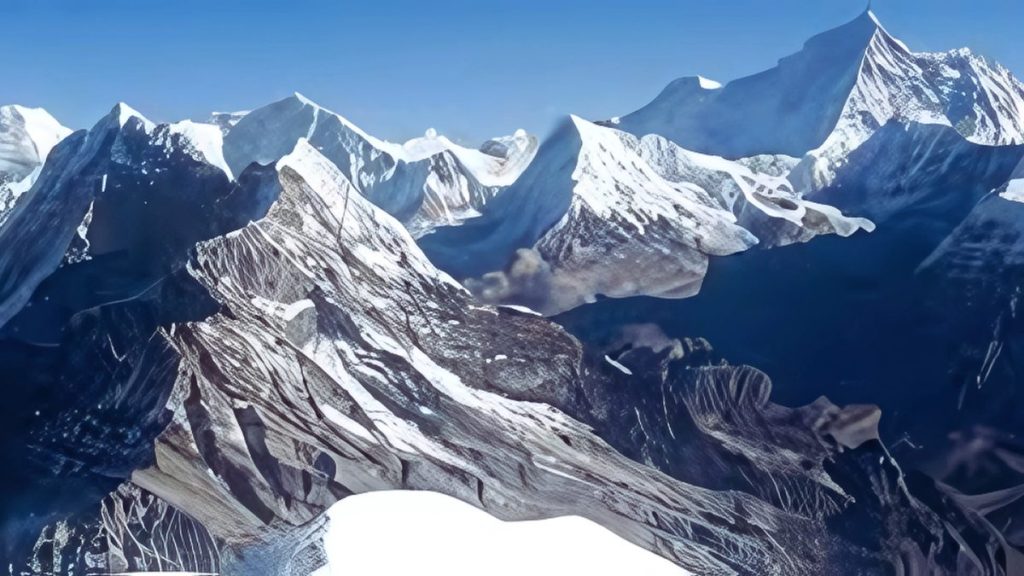
Pisang Peak stands out as one of the most climbed trekking peaks in Nepal’s Annapurna region. It provides an exciting opportunity for mountaineers looking to explore challenging terrain. The mountain’s western side is particularly demanding, featuring a hanging glacier and steep rock formations that add to the technical difficulty. The peak was first successfully summited by a German team in 1955. It forms the sharply angled southern edge of a mountain composed of inclined rock layers that slope towards the valley—this structure is easily visible from afar, along with the enormous rock faces extending down the valley.
The peak ascends gracefully from the Pisang village and yak grazing fields in a steady incline of snow and ice, culminating at the summit. Despite its dramatic look, Pisang Peak is classified as one of Nepal’s more accessible trekking peaks. To reach the base camp, trekkers climb through thin forests and pastureland, arriving at a Kharka (grazing meadow) located at 4,380 meters (14,366 ft), which serves as the optimal site for setting up camp. The high camp is positioned at 5,400 meters (17,715 ft) along the southwest ridge. Snow typically blankets this area between late November and late March. The climb to the summit follows a defined ridge that leads to a steep snow-covered slope, which, while challenging, is not technically difficult. Descending is done via the same route.